September 15, 2026
Planning large-scale spring hardscape and foundation projects during the dead of winter is a highly strategic business move, particularly when collaborating with seasoned industry experts. Many property owners mistakenly wait until the ground thaws to begin their outreach, resulting in delayed start dates, inflated seasonal pricing, and rushed design phases. Engaging a specialized concrete contractor during the traditional winter offseason allows for a meticulous evaluation of every logistical, structural, and financial facet of your upcoming development.
By proactively aligning your corporate schedules, architectural blueprints, and raw material procurement with experienced structural professionals, you establish a solid foundation for field excellence. Winter coordination removes the typical friction of springtime rushes, granting stakeholders the rare luxury of time to refine structural engineering plans. Let us explore how transforming the cold winter months into a proactive design period yields flawless project execution once the spring construction season officially breaks.
Understanding the Benefits of Winter Planning
Scheduling pre-construction consulting activities during the winter months grants you direct access to top-tier field crews at highly competitive consulting rates. During this slow period, a typical structural concrete contractor experiences a cyclical drop in active field bookings, significantly increasing their office availability to focus on your specific project engineering. This undivided attention leads to highly accurate structural schematics and compressed administrative timelines. Furthermore, early engagement fosters a robust professional relationship, as project managers are not yet pulled away by concurrent emergency summer builds, ensuring your blueprints receive the highest standard of technical oversight.
Winter planning provides an ideal window for comprehensive financial forecasting and line-item cost optimization. With months to carefully orchestrate your commercial budget, you can analyze variable material costs and allocate corporate resources effectively, fundamentally mitigating the risk of mid-project cost overruns. Early collaboration with an authorized concrete contractor helps demystify the complex financial nuances of deep excavation, site preparation, and steel rebar reinforcement. Transparent offseason discussions allow for real-time adjustments to design scopes, ensuring that a robust contingency buffer is firmly established to handle unexpected field conditions smoothly.
Securing premium aggregates, chemical additives, and specialized formwork is absolutely paramount to the structural success of any complex pouring project. Planning ahead in winter allows your team to place advanced material orders, guaranteeing the availability of specialized curing compounds and structural mixes before supply chains tighten. This commercial foresight prevents your capital project from falling victim to sudden seasonal material shortages and volatile price hikes.
The building materials market is subject to constant volumetric fluctuations that demand close tracking. According to Concrete Financial Insights, Concrete volumes of 400 million cubic yards in 2023 were 0.4% lower than the volumes delivered in the prior year. This specific market data underscores the absolute necessity of locking in contractual material allocations early, protecting your project from localized supply squeezes when nationwide springtime demand inevitably spikes.
By systematically addressing localized logistical challenges months in advance, you can completely eliminate common scheduling bottlenecks on the job site. Winter planning allows you to map out the entire supply chain network, from the exact batch plant transit routes to the on-site placement of massive ready-mix delivery trucks. Anticipating seasonal site variables—such as soft spring mud, local weight-restricted roads, and saturated soils—ensures your team creates dependable backup plans. This proactive engineering approach ensures that your project remains completely on track, smoothly absorbing minor environmental disruptions without extending the master construction timeline.
Choosing the Right Concrete Contractor
A commercial concrete contractor must possess verified, long-term experience within your specific industry sector to ensure structural compliance with localized building codes. Reviewing comprehensive industrial portfolios provides invaluable insight into the geometric styles, mix designs, and structural complexities a firm has successfully mastered in past cycles.
Furthermore, verifying that your chosen professional holds all necessary municipal licenses, heavy-duty equipment certifications, and comprehensive liability insurance policies is mandatory to protect your corporate real estate investment from unnecessary risk. True peace of mind stems from knowing your foundation is engineered by fully bonded, certified professionals who routinely prioritize structural integrity.
The firsthand accounts of past commercial clients provide an accurate prediction of a firm's operational reliability, communication cadence, and field craftsmanship. Performing deep due diligence via historical client references helps identify a professional, concrete contractor known for a strict dedication to project deadlines and transparent budgeting.
When comparing competitive quotes, ensure every bid features an identical itemized breakdown of site preparation, sub-base compaction, finishing styles, and material psi strengths. This financial transparency prevents predatory change orders, enabling you to execute an informed financial decision based on total lifecycle value rather than just the lowest initial estimate.
Designing and Coordinating the Project Timeline
Collaborating with your structural team during the winter allows you to clearly outline the exact physical scope and load-bearing objectives of the pavement installation. This slow season is the perfect time to integrate innovative mix designs, such as fiber-reinforced matrices or high-early-strength concrete, which can drastically improve long-term durability and lower lifetime maintenance overhead.
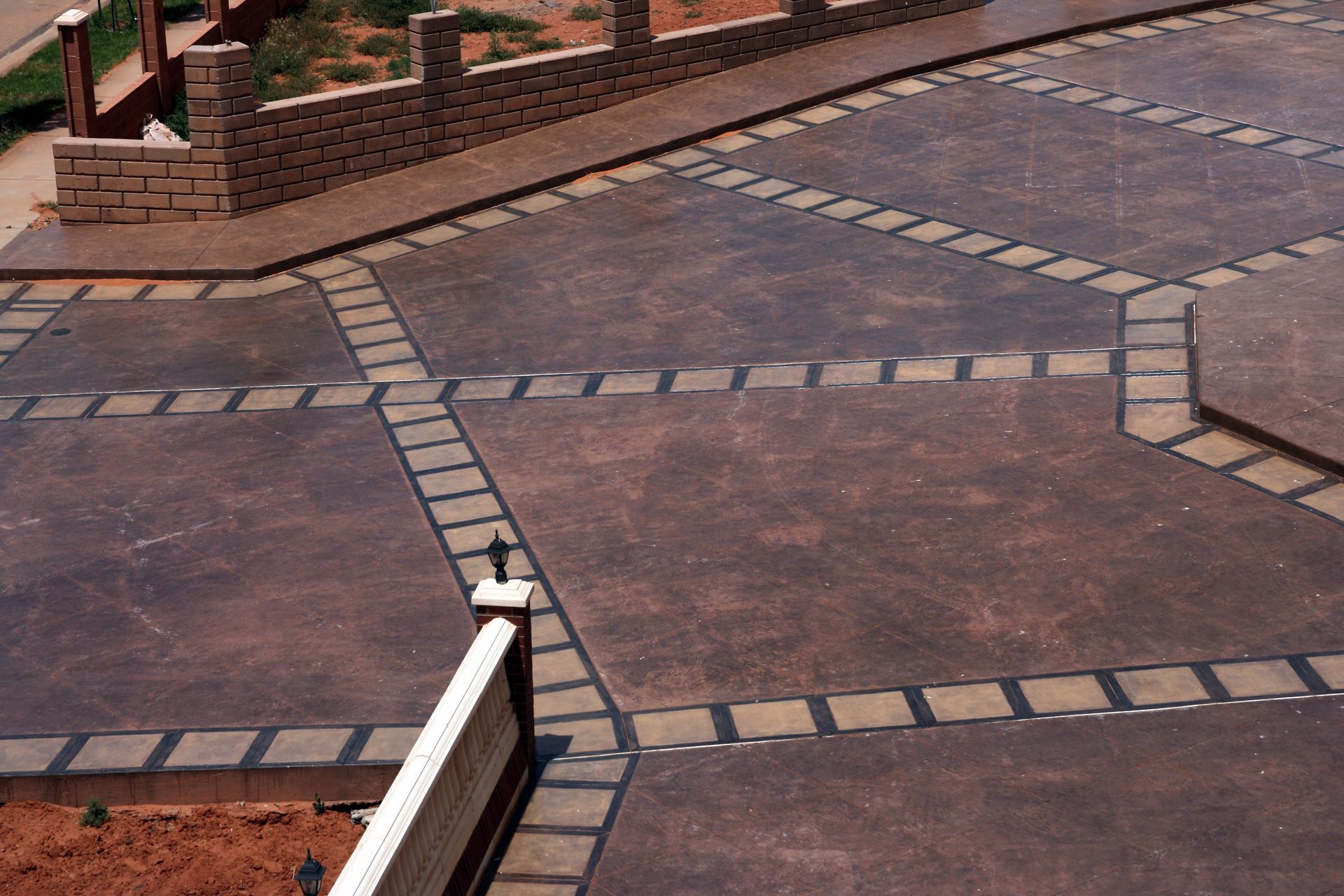
Whether you are customizing aesthetic elements like stamped patterns and integral color stains, or incorporating sustainable practices like utilizing fly-ash industrial byproducts, finalizing these complex design specifications during the winter entirely prevents costly corrections in the field.
Creating a highly realistic, milestone-driven timeline requires synchronized scheduling between your primary concrete contractor and adjacent trades, including excavation, plumbing, and electrical crews. Winter serves as an ideal window to map out these complex trade handoffs, ensuring utility sleeves are correctly placed before any material is poured into the formwork. Establishing clear progress check-ins and building schedule flexibility into the master calendar prepares your operation to successfully manage unexpected early-spring rain delays, ensuring all teams move forward in perfect structural harmony.
Quality Control, Safety, and Asset Longevity
Agreeing on definitive quality benchmarks and flat-surface tolerances prior to site mobilization ensures your project meets rigid architectural standards. Your onboarding documentation must explicitly outline comprehensive safety protocols, emergency mitigation procedures, and strict compliance with OSHA standards to safeguard field personnel and protect the property from liability. Implementing standardized safety orientations before machinery enters the site establishes a proactive, safety-conscious culture that prevents costly job-site accidents and maintains high operational momentum.
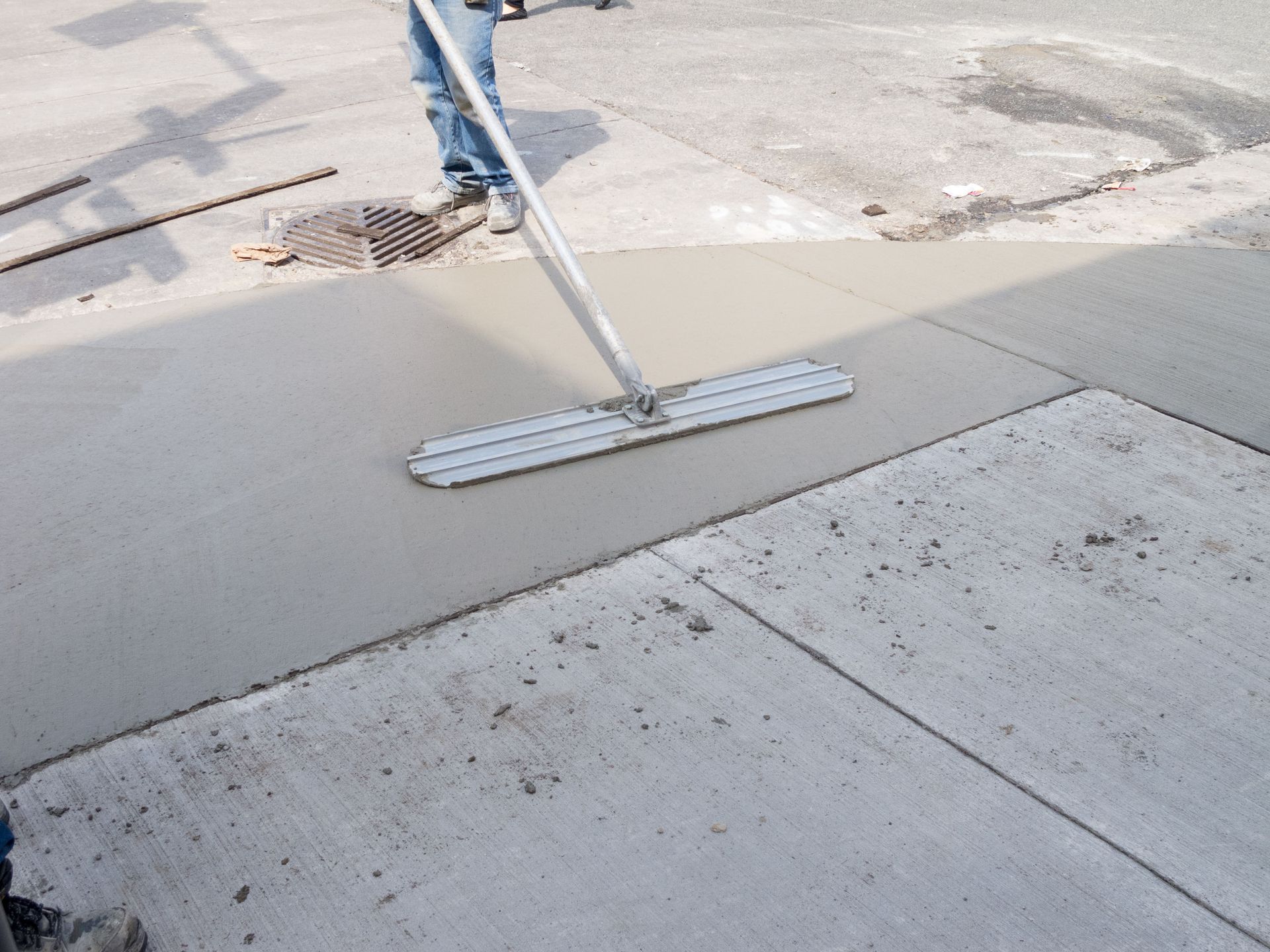
Routine field inspections conducted during formwork installation, steel reinforcement tying, and the final pouring phases ensure complete compliance with design blueprints. Addressing minor deviations immediately prevents them from evolving into expensive structural defects after the material sets. Once the pour is finalized, conducting a formal post-completion review allows stakeholders to verify flat-surface tolerances, confirm proper joints are cut to control cracking, and document the project's success, guaranteeing absolute asset longevity and maximum operational utility for years to come.
Utilizing the quiet winter months to partner with an elite concrete contractor is an exceptionally effective strategy for ensuring your spring structural projects are executed with absolute precision, safety, and financial control. This proactive approach eliminates the stress of seasonal rushes, allowing for deep material planning, optimized budget allocations, and seamless multi-trade coordination. By transforming the winter offseason into a rigorous design and planning phase, commercial property managers can confidently secure premium crew bookings and insulate their investments from market volatility.
When structural permanence and heavy-duty load capacities are mandatory for your industrial infrastructure, relying on unverified or under-equipped crews can easily result in sub-base failure, premature cracking, and rapid foundation settling. True asset durability demands advanced mix engineering, laser-guided site grading, and flawless placement techniques. To transform your complex springtime structural concepts into enduring, high-performance realities, entrust your upcoming development to the master craftsmanship and proven field expertise of J.D. James Construction.